Best Time to Hike the Salkantay Trek
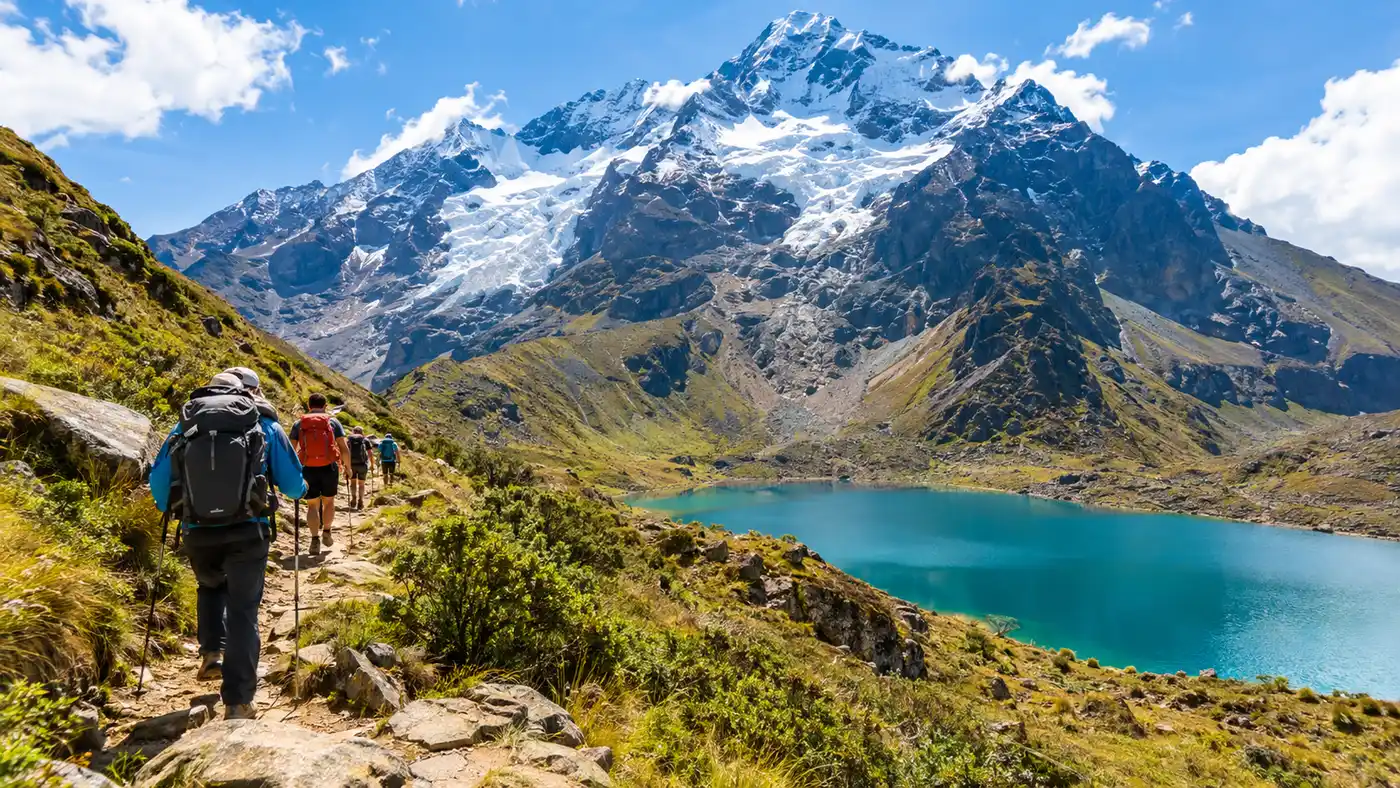
Standing at the foot of Mount Salkantay at five in the morning, shivering through three layers of merino wool while the glacier turns pink in the dawn light, you realize quickly that weather dictates everything here. Choosing the best time to do salkantay trek comes down to a balance between clear skies, freezing nights, and the sheer number of fellow hikers sharing your trail. The Andes do not compromise. If you show up in the wrong month, you will walk through knee-deep mud and see nothing but grey fog.
Cusco sits in the southern Peruvian highlands, where the year splits roughly into two clear patterns: wet and dry. Between those two extremes lie short transition windows that offer some of the most rewarding hiking of all. Here is how the weather actually behaves across the seasons, what each month feels like on your boots, and how to pick the right window for your trip.
Book your salkantay trek to machu picchu experience:
Understanding the Seasons: Dry, Wet, and Shoulder Months
The dry season runs from May through September. Skies stay bright blue for days at a time, mountain visibility stretches for miles, and the jagged ridge of Mount Salkantay looks sharp enough to cut paper. It is easily the most popular period on the trail. The trade-off is cold. At Soraypampa camp, sitting above 3,900 meters, night temperatures regularly drop to -4°C or lower. Water bottles left outside your tent freeze solid by 3:00 AM.
November through March brings the rains. January and February see the heaviest downpours, turning narrow dirt sections into slippery mud slides and raising the risk of rockfalls along the trail down into the Santa Teresa valley. The Classic Inca Trail shuts down entirely in February for maintenance, which pushes some extra traffic onto alternative routes, though most sensible hikers avoid high-altitude trekking in the Andes during peak rain anyway. The cloud forest section smells incredible after a downpour, but wet boots at 4,600 meters are a fast track to misery.
Note: February brings intense rainfall across the Vilcabamba mountain range, and landslides along the dirt road between Mollepata and Challacancha can leave you stranded before you even take your first step on the trail.
Then you have April and October. These shoulder months are gems. April cleanses the air after months of rain, leaving the hillsides vividly green with wildflowers blooming along the riverbanks. October brings warming temperatures before the heavy rains start falling in earnest. You will catch an afternoon shower here and there, sure, but you also avoid the mid-year crowds.
Monthly Breakdown: When to Hike Salkantay
Each month carries its own personality out on the trail. Your experience walking past turquoise alpine lakes and descending into subtropical valleys changes dramatically depending on the calendar page.
| Month | Rainfall | Night Temps (High Camps) | Trail Traffic |
|---|---|---|---|
| May to Aug | Very Low | -5°C to 0°C | High |
| Sep to Oct | Moderate | 0°C to 5°C | Moderate |
| Nov to Dec | High | 3°C to 7°C | Low to Moderate |
| Jan to Feb | Very High | 4°C to 8°C | Very Low |
| Mar to Apr | Moderate | 1°C to 5°C | Moderate |
If you want predictability, plan between June and August. Yes, you will hear chatter from other groups at every scenic overlook, but your chances of waking up to unobstructed views of the pass are high. If you hike in November, bring serious waterproof shells and waterproof pack liners. Checking a detailed Salkantay Trek packing list and gear guide helps ensure you do not skimp on warmth, because cheap rain ponchos tear on trailside branches within an hour.
The Best Time to Do Salkantay Trek for Fewer Crowds
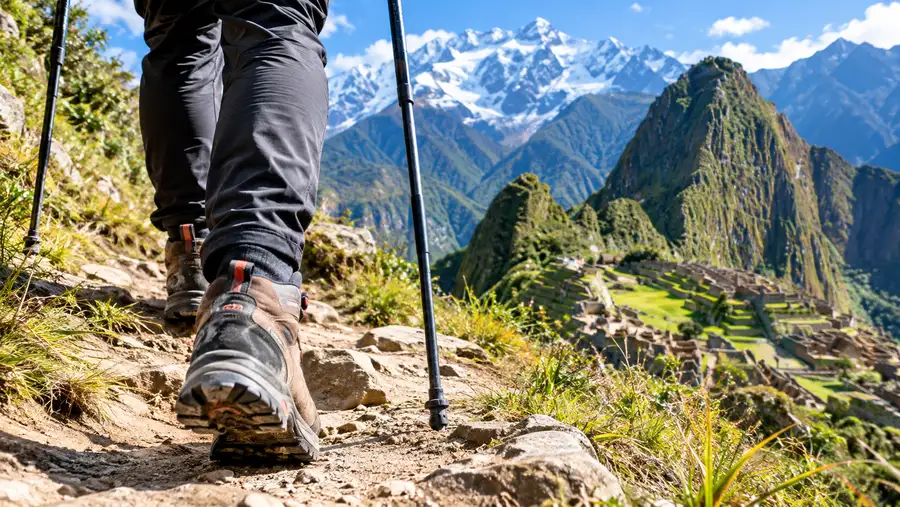
Everyone wants blue skies without the crowds. Finding that quiet trail experience requires stepping just outside the peak window. Late April, late September, and the first two weeks of October hit that sweet spot better than any other time.
In late September, daytime temperatures in the high pass remain manageable, hovering around 8°C with gentle breezes instead of the biting winter gales of July. Campsites like Chaullay feel peaceful rather than packed to capacity. You might run into 15 or 20 people crossing the pass instead of 150. That difference changes how the whole hike feels. The silence of the high Andes returns when large guided groups are not playing music through portable speakers at the rest stops.
Pro tip: Start your summit morning from Soraypampa around 4:30 AM rather than the standard 5:30 AM group departure; you will reach Salkantay Pass completely alone just as the sun hits the ice face.
Keep in mind that early shoulder season can still deliver surprises. An unseasonal cold snap might dump three inches of slush on the pass in mid-October. Knowing the steep terrain and physical demands outlined in our Salkantay Trek difficulty guide will help you decide if you can handle slick, rocky ground when the weather turns suddenly.
Book your salkantay trek to machu picchu experience:
Temperature, Altitude, and Microclimates
One detail people overlook is the wild swing in microclimates along this route. You start near 3,900 meters in a dry, windswept alpine basin, climb over the pass at roughly 4,630 meters, and within 36 hours you descend into lush, humid jungle at 2,000 meters. The weather does not stay the same for two consecutive days.
At high camp, wind chill can make 2°C feel like -8°C. Once you drop past Colpapampa, humidity jumps past 80%, daytime heat rises to 26°C, and biting sandflies appear along the riverbanks. If you go during July, you are packing thermal base layers for night one and lightweight, breathable insect-shield clothing for day three.
- Soraypampa (Day 1): Alpine tundra; extremely cold nights; high wind potential; zero tree cover.
- Salkantay Pass (Day 2): Glacial moraine; thin air; freezing morning temperatures; rapid weather shifts.
- Chaullay and Collpapampa (Day 2-3): High cloud forest; warmer nights around 10°C; damp air; sudden afternoon showers.
- Lucmabamba and Aguas Calientes (Day 3-4): Subtropical valley; warm and humid; frequent mist; warm nights around 14°C.
Pack for all four seasons in one backpack. Trying to pick clothes for just one type of weather is the most common mistake first-time hikers make on this route.
Practical Tips for Timing Your Trek
Beyond the weather, practical logistics should influence your start date. Machu Picchu entrance tickets sell out weeks, sometimes months ahead, especially for Circuit 2 and the Huayna Picchu hiking permits. Your trek date must align precisely with your ticket reservation date.
- Book circuit tickets early: Secure your Machu Picchu entrance at least 60 to 90 days ahead if trekking between June and August.
- Acclimatize in Cusco: Spend at least 48 to 72 hours in Cusco (3,400m) or the Sacred Valley before stepping onto the trail.
- Avoid full moon periods if you like stargazing: New moon weeks offer mind-blowing views of the Milky Way over Mount Humantay.
- Check trail conditions locally: Stop by the South American Explorers clubhouse or talk to local operators in Cusco for fresh trail reports.
If you have some flexibility in your schedule, watch the five-day forecasts from Cusco before confirming your exact departure. A dry week in early November is sometimes warmer, greener, and far more enjoyable than a freezing week in early July.
Frequently Asked Questions about best time to do salkantay trek
Is Salkantay open in February?
The trail is technically not closed by the government like the Inca Trail, but many reputable agencies refuse to run trips due to rockfall and landslide hazards along the route.
What is the coldest month on the Salkantay Trek?
June and July have the coldest night temperatures, regularly falling below -5°C at Soraypampa camp.
Can you hike Salkantay in the rainy season?
Yes, between November and December or March, though you need high-grade waterproof gear and sturdy boots to handle muddy, slippery sections.
Quick Reference
- Peak dry season: May to September
- Shoulder window: April and October
- Wettest months: January and February
- Coldest nights: June and July (-5°C)
- Best scenery mix: Late April to May
Book your salkantay trek to machu picchu experience:
The Bottom Line
If you want the absolute safest bet for clear mountain vistas and dry walking trails, aim for June through August and bring the warmest sleeping bag you can rent. If you prefer quiet trails, lush green valleys, and don't mind a brief afternoon shower, book your trek for late April or October. Both windows offer incredible memories; just respect the high mountain pass, give your body time to acclimatize in Cusco, and let the Andes do the rest.
Read more about salkantay trek to machu picchu.