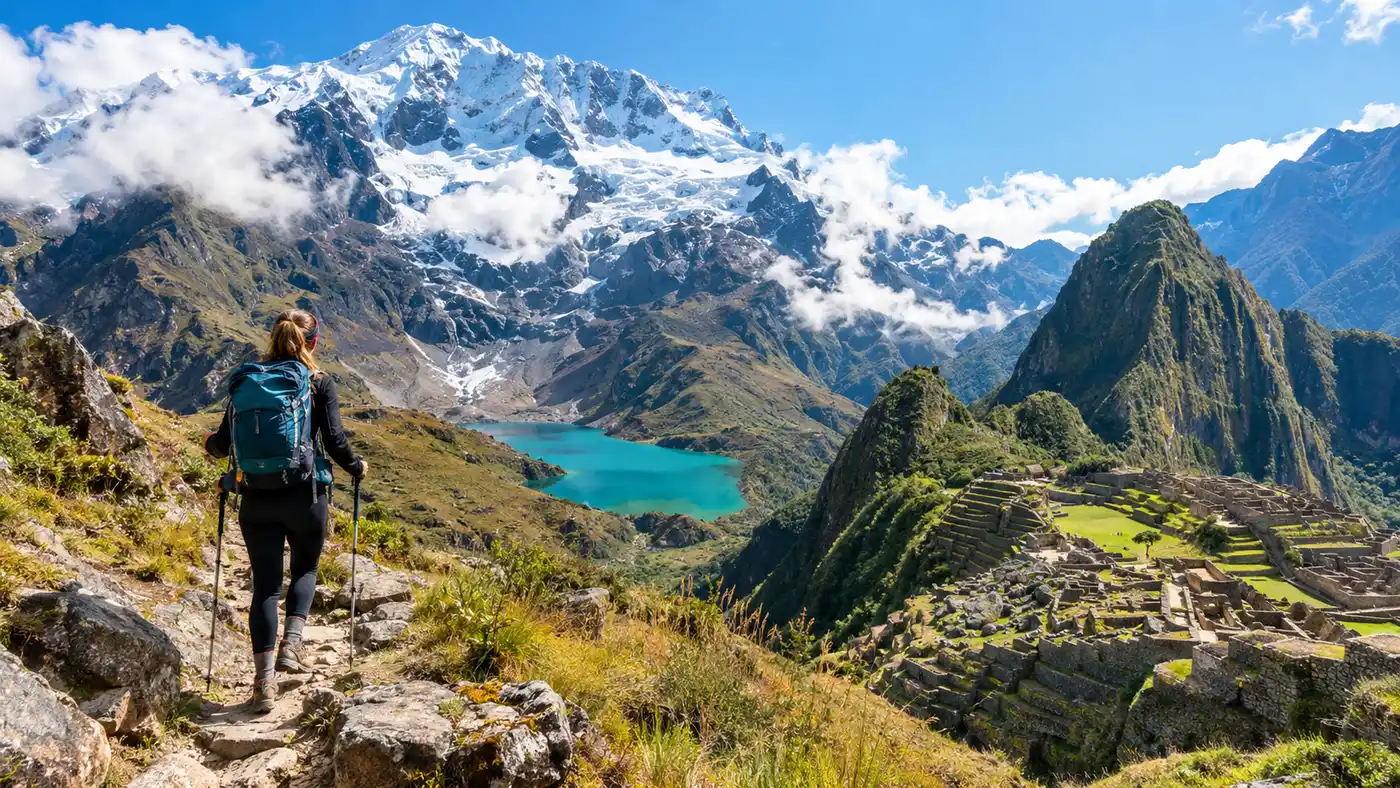
Short Salkantay Trek: 3-Day Express Route
Most hikers spend five days winding their way through the Vilcabamba mountain range before reaching the citadel. If your vacation time is limited to a tight week, dedicating five solid days to trail dirt simply might not fit. The salkantay trek 3 days option cuts out the valley slogs, combines private transfers with long push-days, and still puts you face to face with the 4,630-meter pass. You get the glaciers, the sudden transition into the cloud forest, and the stone citadel at the end, without sleeping in drafty tents for half a week.
This is a fast, aggressive itinerary. You trade leisurely afternoon camp chats for pre-dawn alarms, sore quadriceps, and tight van connections. I took this route after realizing my flight back to Lima left earlier than planned, and while my knees complained loudly on the descents, it remains one of the sharpest mountain experiences I have had in Peru. Here is the realistic breakdown of how a compressed 3-day salkantay trek to machu picchu functions in the real world.
Book your salkantay trek to machu picchu experience:
How the 3-Day Salkantay Trek to Machu Picchu Actually Works
Condensing seventy kilometers of Andean topography into three calendar days requires skipping the unpaved road sections. The standard trek spends nearly all of its first day walking gently along an irrigation canal toward Soraypampa, followed by an entire fourth day tracing flat dirt roads beside the Urubamba River. The express route strips those slow stretches away.
Instead, you take a private van from Cusco directly to Challacancha or Soraypampa before dawn. By 7:00 AM on morning one, your boots are on the steep path toward the pass. You cross the alpine divide before noon, drop twenty kilometers into the warm cloud forest, and crash at Chaullay or Collpapampa by dusk. Day two utilizes local transport to skip the dusty road miles between Lucmabamba and Hidroeléctrica, letting you hike only the scenic jungle ridge or the rail tracks leading into Aguas Calientes. Day three belongs entirely to Machu Picchu.
Note: Because this itinerary removes the gentle acclimatization day at base camp, you must spend at least two full days resting in Cusco before tying your laces. Ascending past 4,600 meters on Day 1 without prior altitude adaptation is asking for serious mountain sickness.
You cover roughly 38 kilometers on foot over the first 48 hours. The rest is handled by collective minivans and trains. It feels like an endurance event at times, yet you sleep in real beds in mountain domes or town hostals instead of damp ground pads. For busy hikers with solid fitness, it delivers the best views of the Andes without burning excessive calendar days.
Day-by-Day Breakdown of the Salkantay Trek 3 Days Route
The pace moves quickly. Day one begins when your alarm sounds at 3:15 AM in Cusco. Your driver navigates the serpentine highway down through Limatambo before turning up the gravel track to Challacancha. By the time the sunrise hits the eastern ridgeline, you are climbing past the glacial meltwater channels toward the foot of Mount Salkantay.
The climb from Soraypampa to the pass is five kilometers of unrelenting switchbacks, affectionately called the Trail of the 7 Snakes. The air gets thin fast. Once you clear the prayer flags at the summit, you drop almost immediately down the eastern slope toward Huayracmachay. The temperature shifts from freezing alpine wind to muggy jungle moisture in less than four hours. Your knees will absorb a descent of nearly 1,800 vertical meters before you reach your lodge in Chaullay.
Pro tip: Rent or pack trekking poles with rubber tips. The drop from Huayracmachay down to Collpapampa is steep, muddy, and coated in loose river gravel that destroys unprotected joints.
Day two offers softer terrain. You wake to humid air and birdsong, hike down along the Santa Teresa River through passion fruit and coffee plantations, and cross small wooden suspension bridges. Most express itineraries arrange a quick 45-minute transit from Sahayaco to the Hidroeléctrica train station. From Hidroeléctrica, you hike three flat hours along the tracks wrapped in thick jungle foliage, arriving beneath the towering granite walls of Aguas Calientes just before sundown.
| Stage | Route Segment | Distance | Elevation Change | Typical Hiking Time |
|---|---|---|---|---|
| Day 1 | Soraypampa to Chaullay (via Pass) | 21 km | +730m / -1,730m | 8 to 9.5 hours |
| Day 2 | Chaullay to Lucmabamba / Hidroeléctrica | 14 km | -850m / flat finish | 5 to 6.5 hours |
| Day 3 | Aguas Calientes to Machu Picchu Citadel | 4 km | +240m (or bus ride) | 3 to 4 hours (touring) |
Day three is your reward. You catch the early morning switchback bus up to the sanctuary gates, explore Circuit 2 or climb Huayna Picchu, then ride the afternoon Expedition train back toward Ollantaytambo. You can read my complete breakdown on salkantay trek difficulty if you want to understand how this vertical profile compares against other classic trails in the region.
Physical Demands and Altitude Challenges
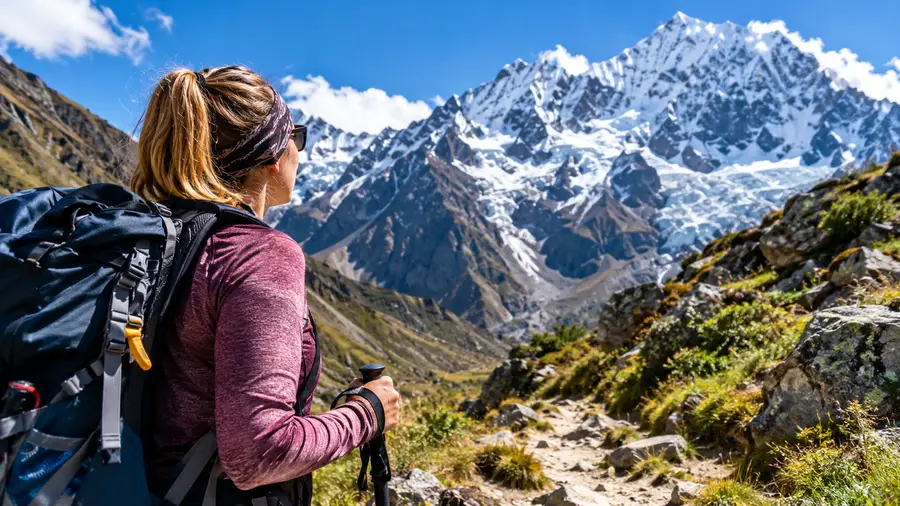
Do not underestimate the physical toll of this condensed route. On standard treks, travelers take three days to achieve what you will knock out by sunset on Day 1. If you are prone to shin splints or lack uphill stamina, the rapid ascent will push you into the red zone quickly.
The real crux is the sudden altitude spike. You leave Cusco around 3,400 meters, descend into a river valley, and then shoot directly upward toward the pass at 4,630 meters within four hours of hiking. For deeper details on how your lungs react at these heights, check the salkantay trek altitude and elevation profile guide. Oxygen levels at the pass are roughly 57 percent of what you breathe at sea level.
- Acclimatization window: Spend no fewer than 48 hours sleeping in Cusco or the Sacred Valley before starting.
- Ascent pacing: Keep your steps small and rhythmic on the switchbacks, avoiding bursts of speed that spike your pulse.
- Hydration targets: Drink between three and four liters of water daily to offset rapid respiratory moisture loss.
- Medication choices: Pack acetazolamide (Diamox) after speaking with your doctor, starting it the morning before departure.
I felt a dull throb behind my temples around the 4,400-meter mark. It was not full altitude sickness, just the predictable friction of heavy breathing in cold air. Coca tea helps, but steady pacing and a handful of salted peanuts did far more to keep my motor running.
Listen to your body on the downhill. The descent is deceptively punishing. After the pass, gravity takes over, tempting you to jog down the gravel sections. Resist that temptation. A blown knee at Huayracmachay leaves you miles from any road access, meaning an agonizing ride out on an expensive mule.
Book your salkantay trek to machu picchu experience:
Packing Essentials for an Express Hike
Speed depends on a light pack. When you are moving this quickly over high terrain, every extra kilogram feels like lead dragging against your spine. You do not need five changes of clothes or bulky camera tripods. You need smart layering and just enough dry gear to sleep comfortably.
A 28-liter or 32-liter daypack is plenty if your tour company handles duffel bags, or a 40-liter pack if you travel self-supported. The weather swings wildly. At dawn on the pass, frost clings to the slate boulders. Five hours later in the bamboo scrub, you will sweat through your base layer under heavy tropical sunlight.
- Outer shell: A genuine gore-tex or ripstop waterproof jacket with taped seams for sudden cloud forest downpours.
- Thermal layer: One lightweight packable down jacket rated for sub-zero mornings around Soraypampa.
- Footwear choice: Sturdy trail runners or broken-in waterproof hiking boots with aggressive multidirectional lugs.
- Electrolyte powder: Six to eight single-serve drink packets to replenish lost salts on the grueling 21-kilometer first day.
- Headlamp: A 300-lumen headlamp with fresh batteries for the early starts and evening train tracks.
Bring cash. Small bills in Peruvian Soles are required for trail tolls, mineral water, and bathroom stops. There are zero working cash machines between Mollepata and the town limits of Aguas Calientes. Keep about 250 Soles tucked away in a waterproof zip-pouch next to your passport.
Independent vs Guided: Booking the Express Option
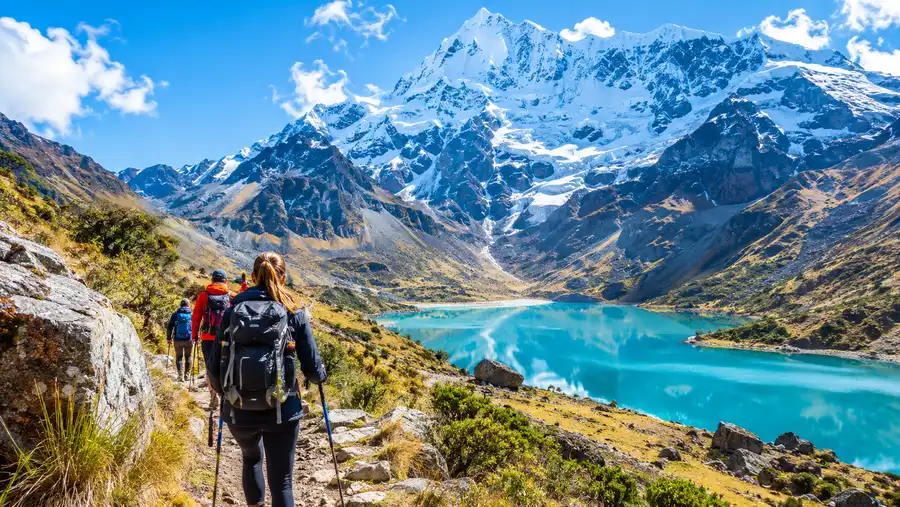
Planning an independent 3-day salkantay trek to machu picchu is logistically tricky. The five-day trek is simple to arrange on your own because you can walk from village to village along well-trodden paths. The express route, however, relies heavily on timed private transfers to bypass long dirt roads.
If you hike solo, you must negotiate a private cab from Cusco to Challacancha at 3:30 AM, which generally runs around 220 Soles. Once you emerge from the trail at Chaullay or Sahayaco on afternoon two, you must cross your fingers that a collective van is idling to take you down to Hidroeléctrica. If you miss that connection, you get stuck in Santa Teresa, jeopardizing your Machu Picchu entry timeslot for the following morning.
For most travelers, paying an experienced local agency makes far more sense for the short itinerary. They handle the private transit, book the train tickets out of Aguas Calientes, secure the strict Machu Picchu entry circuits months in advance, and arrange mule support for Day 1. The peace of mind allows you to focus purely on putting one boot in front of the other.
A guided express package usually costs between $380 and $550 depending on whether you choose shared mountain domes or private cabins. Going completely self-guided cuts the price down to roughly $190, but one missed bus connection can unravel the entire weekend. Honestly, unless you speak conversational Spanish and know the transport hubs intimately, the guided setup eliminates an immense amount of administrative anxiety.
Frequently Asked Questions about salkantay trek 3 days
Is the 3-day Salkantay trek hard?
Yes, it is physically demanding. You cover 21 kilometers and tackle both a 4,630-meter pass and an 1,800-meter descent on the very first day. It requires above-average cardiovascular endurance and solid knees.
Do I get to visit Lake Humantay on this route?
Most express itineraries skip Lake Humantay to ensure you have enough daylight to clear the main Salkantay Pass and reach Chaullay before dark. A few operators offer a 4:00 AM detour, but it adds two exhausting hours to an already brutal day.
Can I do the 3-day hike during the rainy season?
It is not recommended between January and March. Heavy rains cause frequent mudslides along the road between Mollepata and Soraypampa, and the river descents past Huayracmachay become slick and hazardous.
What happens to our luggage during the hike?
You leave your large suitcases at your hotel storage room in Cusco for free. You only carry a daypack on the trail, while horses or support vans transfer a small duffel with your evening clothing.
Quick Reference
- Total hiking distance: 38 kilometers
- Highest point: Salkantay Pass (4,630 meters)
- Minimum Cusco acclimatization: 48 hours
- Best months: May through September
- Finish point: Aguas Calientes / Machu Picchu
Book your salkantay trek to machu picchu experience:
The Bottom Line
The short route is not an easy shortcut, but it is an efficient one. If you want pristine wilderness, raw glacial vistas, and the ancient stone paths of the Incas without surrendering your entire Peruvian holiday to a slow pack-train, this express trail delivers. Double-check your boots, spend an extra day drinking tea in the San Blas neighborhood to build up your red blood cells, and pack light. The mountains do not get any lower just because your calendar is short, so show up fit and ready to move.
Read more about salkantay trek to machu picchu.